Top 10 Photography Tips for Stunning Shots
Photography is an art that allows you to capture moments, tell stories, and express your creativity. Whether you're a beginner or an experienced photographer, there are always ways to improve your skills and take stunning shots. In this post, we will explore ten essential photography tips that can elevate your photography game and help you create breathtaking images.
Understand Your Camera
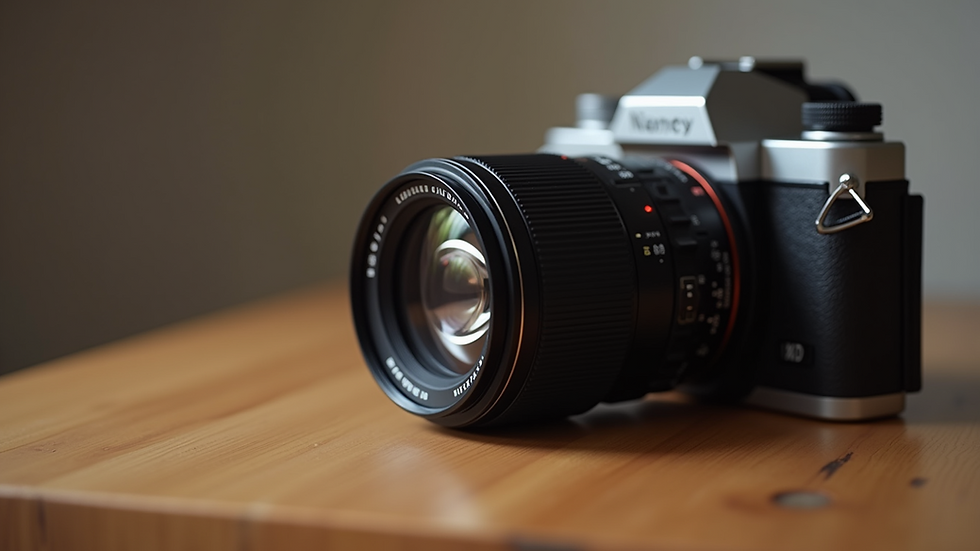
Before you can take great photos, you need to understand your camera. Familiarize yourself with its settings, buttons, and features. Here are some key aspects to focus on:
Manual Mode: Learn how to use manual mode to control exposure, aperture, and shutter speed. This will give you more creative freedom.
Lens Types: Different lenses serve different purposes. A wide-angle lens is great for landscapes, while a macro lens is perfect for close-up shots.
ISO Settings: Understand how ISO affects your images. A higher ISO can help in low-light situations but may introduce noise.
By mastering your camera, you can make informed decisions that lead to better photographs.
Composition is Key
Composition refers to how elements are arranged within your frame. A well-composed photograph can draw the viewer's eye and convey your intended message. Here are some composition techniques to consider:
Rule of Thirds: Imagine dividing your frame into a 3x3 grid. Place your subject along these lines or at their intersections for a balanced composition.
Leading Lines: Use natural lines in your environment, such as roads or rivers, to guide the viewer's eye toward your subject.
Framing: Use elements in your environment to frame your subject. This can add depth and context to your images.
Experimenting with different compositions can lead to more dynamic and engaging photographs.
Lighting Matters
Lighting is one of the most critical aspects of photography. The right lighting can make or break your shot. Here are some tips for working with light:
Golden Hour: Shoot during the golden hour, which occurs shortly after sunrise and before sunset. The soft, warm light during this time can enhance your images.
Avoid Harsh Light: Midday sun can create harsh shadows. If you must shoot during this time, look for shaded areas or use reflectors to soften the light.
Experiment with Backlighting: Shooting against the light can create dramatic effects. Just be mindful of lens flare and exposure.
Understanding how to manipulate light will significantly improve your photography.
Focus on Your Subject
Your subject is the focal point of your photograph. Make sure it stands out by considering the following:
Depth of Field: Use a shallow depth of field to blur the background and emphasize your subject. This technique is particularly effective in portrait photography.
Angles and Perspectives: Change your shooting angle to find the most flattering perspective for your subject. Experiment with high, low, and eye-level shots.
Eliminate Distractions: Remove any distracting elements from your frame that could take attention away from your subject.
By focusing on your subject, you can create compelling images that resonate with viewers.
Post-Processing Techniques
Post-processing is an essential part of modern photography. It allows you to enhance your images and correct any mistakes. Here are some tips for effective post-processing:
Use Editing Software: Familiarize yourself with software like Adobe Lightroom or Photoshop. These tools offer a range of features for adjusting exposure, color, and sharpness.
Don’t Overdo It: While editing can enhance your images, avoid excessive adjustments that can lead to unnatural results. Aim for a balanced look.
Learn Basic Techniques: Focus on mastering basic techniques such as cropping, color correction, and sharpening to improve your images.
Post-processing can take your photography to the next level when done thoughtfully.
Experiment with Different Styles
Photography is a diverse field with various styles and genres. Don’t be afraid to experiment with different approaches to find your unique voice. Here are some styles to consider:
Portrait Photography: Focus on capturing the essence of individuals. Pay attention to expressions, poses, and backgrounds.
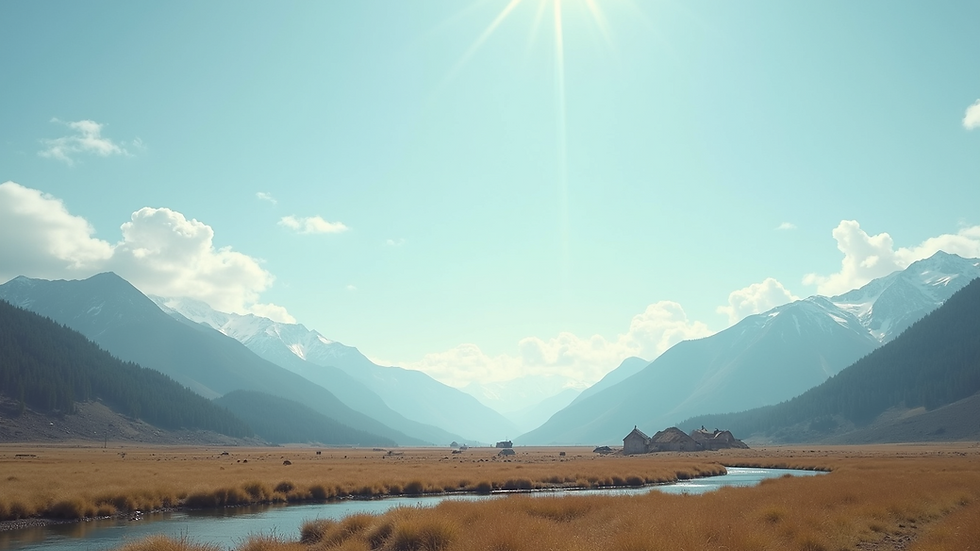
Landscape Photography: Explore nature and capture its beauty. Use wide-angle lenses and consider the time of day for optimal lighting.
Street Photography: Capture candid moments in urban settings. This style often emphasizes storytelling and spontaneity.
Trying out different styles can help you discover what you enjoy most and refine your skills.
Know Your Editing Software
Editing software is a powerful tool for photographers. Knowing how to use it effectively can enhance your images significantly. Here are some tips:
Learn the Basics: Familiarize yourself with essential tools such as cropping, exposure adjustment, and color correction.
Use Presets: Many editing programs offer presets that can save time and provide a consistent look across your images.
Stay Organized: Keep your files organized to streamline your editing process. Use folders and tags to categorize your work.
Mastering your editing software can help you create stunning images that reflect your vision.
Practice, Practice, Practice
The best way to improve your photography skills is through practice. Here are some strategies to help you get started:
Set Goals: Establish specific goals for your photography, such as mastering a new technique or completing a photo project.
Join a Community: Engage with other photographers through online forums or local groups. Sharing your work and receiving feedback can be invaluable.
Challenge Yourself: Try new techniques or styles that push you out of your comfort zone. This can lead to growth and new discoveries.
Consistent practice will help you develop your skills and confidence as a photographer.
Invest in Quality Gear
While great photography can be achieved with any camera, investing in quality gear can enhance your results. Here are some considerations:
Camera Body: Consider upgrading to a camera body that suits your needs, whether it’s a DSLR, mirrorless, or compact camera.
Lenses: Invest in high-quality lenses that fit your photography style. A versatile zoom lens can be a great all-around option.
Accessories: Don’t overlook accessories like tripods, filters, and external flashes. These can improve your shooting experience and image quality.
Quality gear can make a difference in your photography journey, but remember that skill and creativity are equally important.
Conclusion
By applying these ten photography tips, you can significantly enhance your skills and create stunning images. Remember to understand your camera, focus on composition, and experiment with different styles. Most importantly, practice regularly and enjoy the process of capturing the world around you.
Take your photography to the next level by implementing these tips today, and watch your skills flourish!

Comments