Essential Gear Every Photographer Should Have
Photography is more than just a hobby; it's a passion that requires the right tools to capture stunning images. Whether you're a beginner or a seasoned professional, having the right gear can make all the difference in your photography journey. In this post, we will explore the essential gear every photographer should have, ensuring you are well-equipped to take your photography to the next level.
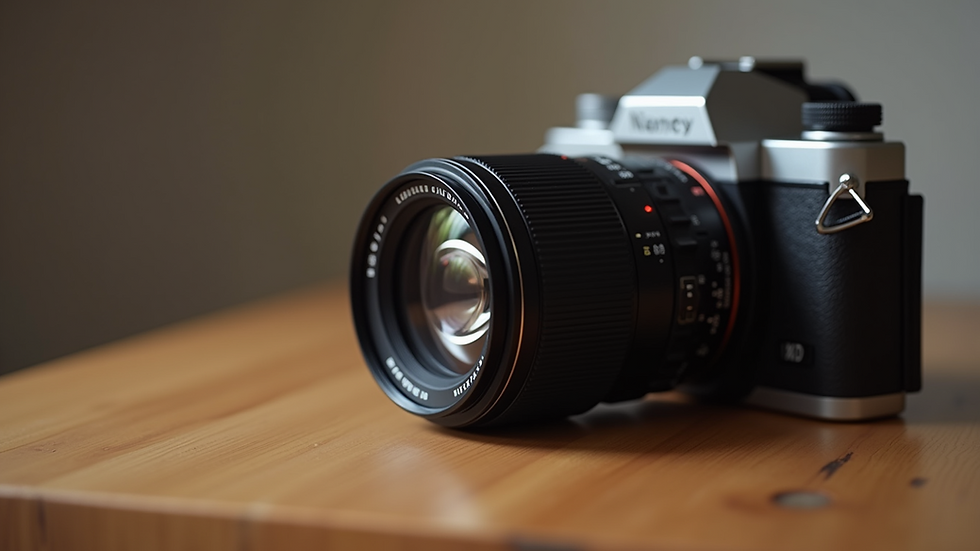
The Camera Body
The foundation of any photography setup is the camera body. Choosing the right camera is crucial, as it determines the quality of your images and your overall shooting experience. Here are some key points to consider:
DSLR vs. Mirrorless:
- DSLR Cameras: These cameras have been around for a long time and are known for their optical viewfinders and robust build. They are great for various photography styles, including portrait, landscape, and wildlife photography.
- Mirrorless Cameras: These are newer on the market and are gaining popularity due to their compact size and advanced technology. They offer faster shooting speeds and often come with superior video capabilities.
Sensor Size: Larger sensors typically capture more light, resulting in better image quality. Full-frame sensors are ideal for professional work, while APS-C sensors are a great choice for enthusiasts.
Budget: Determine your budget before making a purchase. There are excellent options available at various price points, so you can find a camera that fits your needs without breaking the bank.
Lenses
Once you have your camera body, the next essential piece of gear is the lens. The lens you choose can dramatically affect the outcome of your photos. Here are some common types of lenses:
Standard Zoom Lens: A versatile option that covers a range of focal lengths, making it suitable for everyday photography. Look for lenses with a focal length of 24-70mm.
Prime Lens: These lenses have a fixed focal length, which often results in sharper images and better low-light performance. A 50mm f/1.8 lens is a popular choice for portraits.
Wide-Angle Lens: Perfect for landscape and architectural photography, wide-angle lenses typically have a focal length of 16-35mm.
Telephoto Lens: Ideal for wildlife and sports photography, telephoto lenses allow you to capture distant subjects. Look for lenses with a focal length of 70-200mm or higher.
Tripod
A sturdy tripod is an essential tool for any photographer, especially for long exposure shots, landscapes, and low-light conditions. Here are some factors to consider when choosing a tripod:
Material: Tripods are typically made from aluminum or carbon fiber. Carbon fiber tripods are lighter and more durable, but they tend to be more expensive.
Weight Capacity: Ensure your tripod can support the weight of your camera and lens setup. Check the manufacturer's specifications for weight limits.
Height and Portability: Consider how tall the tripod extends and how compact it is for travel. A tripod that folds down small is ideal for photographers on the go.
Camera Bag
A reliable camera bag is essential for protecting your gear and keeping it organized. Here are some features to look for:
Padding: Ensure the bag has adequate padding to protect your camera and lenses from bumps and drops.
Compartments: Look for a bag with customizable compartments to fit your specific gear. This will help keep everything organized and easily accessible.
Weather Resistance: If you plan to shoot in various weather conditions, consider a bag that offers weather resistance or comes with a rain cover.
External Flash
Lighting can make or break a photograph, and an external flash can provide the additional light needed for stunning images. Here are some benefits of using an external flash:
Versatility: External flashes can be adjusted for different lighting conditions and can be used off-camera for creative lighting setups.
Better Quality: On-camera flashes can create harsh shadows and unflattering light. An external flash allows for softer, more diffused lighting.
TTL Functionality: Many external flashes come with Through The Lens (TTL) metering, which automatically adjusts the flash output based on the camera's settings.
Memory Cards
Having reliable memory cards is crucial for any photographer. Here are some tips for choosing the right memory cards:
Speed Class: Look for cards with a high speed class rating (UHS-I or UHS-II) to ensure fast write speeds, especially when shooting in burst mode or recording video.
Capacity: Choose cards with sufficient storage capacity to accommodate your shooting style. A minimum of 64GB is recommended for most photographers.
Brand Reliability: Stick to reputable brands like SanDisk, Lexar, or Kingston to ensure reliability and performance.
Editing Software
Post-processing is an essential part of photography. Having the right editing software can help you enhance your images and bring your creative vision to life. Here are some popular options:
Adobe Lightroom: A powerful tool for organizing and editing photos, Lightroom offers a user-friendly interface and a wide range of editing features.
Adobe Photoshop: Ideal for more advanced editing, Photoshop allows for detailed retouching and manipulation of images.
Capture One: A favorite among professional photographers, Capture One offers advanced color grading and tethering capabilities.
Conclusion
Equipping yourself with the right gear is essential for any photographer looking to improve their craft. From the camera body to editing software, each piece of equipment plays a vital role in your photography journey. Remember to invest in quality gear that suits your style and needs, and don't hesitate to experiment with different tools to find what works best for you.
As you build your photography kit, keep in mind that the most important aspect is your creativity and vision. With the right gear in hand, you are well on your way to capturing stunning images that tell your unique story. Happy shooting!
Comments